


In Saudi Arabia and across the Gulf, people do business with people they trust. Before a client signs, books, or invests, they look you up, and what they find shapes the decision long before the first meeting. That is why personal branding in Saudi Arabia has become a measurable business asset for founders, executives, doctors, and consultants.
Where Personal Branding Comes From
The modern idea of personal branding dates back to 1997, when Tom Peters published “The Brand Called You” in Fast Company. His argument was simple: every professional should manage their name the way companies manage brands, with clear positioning, a consistent promise, and a reputation built on purpose. Nearly three decades later, social platforms have made that argument impossible to ignore.
Why It Matters in the Saudi Market: The Data
Put together, the picture is clear. Your audience is online, trust drives the decision, and people trust experts who share real insight more than they trust ads.
The Marketing Science Behind a Strong Personal Brand
Authority and social proof (Cialdini)
In Influence, psychologist Robert Cialdini identified authority and social proof as two of the most powerful drivers of persuasion. A personal brand makes both visible: your expertise through useful content, and other people’s trust through testimonials, referrals, and recommendations. Nielsen’s 2015 Global Trust in Advertising study found that 83% of consumers see recommendations from people they know as the most credible form of advertising.
Mental availability (Sharp)
Byron Sharp’s How Brands Grow (Ehrenberg-Bass Institute) shows that brands grow by being easy to remember at the moment of need. For a person, that means being the name that comes to mind when someone needs a surgeon, a consultant, or a partner. Consistency builds that memory.
Thought leadership opens doors
The same 2024 Edelman-LinkedIn study found that 86% of decision-makers are likely to invite thought leaders to bid on projects, and 75% said a piece of thought leadership led them to research a product or service they had not been considering.
How to Build Your Personal Brand: 7 Steps
- Define your positioning. “Marketing consultant” is vague. “Helping Saudi healthcare clinics grow through digital marketing” is memorable and searchable.
- Know your audience. Investors, patients, B2B buyers, or young entrepreneurs? Your audience decides your platform, language, and tone.
- Choose two or three platforms. LinkedIn for executives and B2B, X for industry conversation, Instagram, Snapchat, and TikTok for consumer-facing experts.
- Publish genuine insight. Lessons learned, case studies, and clear opinions on your industry. Educate, inspire, and show proof.
- Look the part. Professional photos and consistent visuals across every profile signal credibility before anyone reads a word.
- Own your search results. A personal website with your bio, services, and media appearances lets you control what appears when people Google your name.
- Be consistent and engage. Mental availability is built through repetition. Reply, comment, and join conversations.
Case Study: Building a Physician’s Personal Brand in KSA
At IcaruZen, we built the personal brand of Dr. Fady Farouk, a spine surgery specialist in Saudi Arabia. The challenge was to make complex medical content accessible and engaging while respecting cultural sensitivities and healthcare advertising rules in the Kingdom.
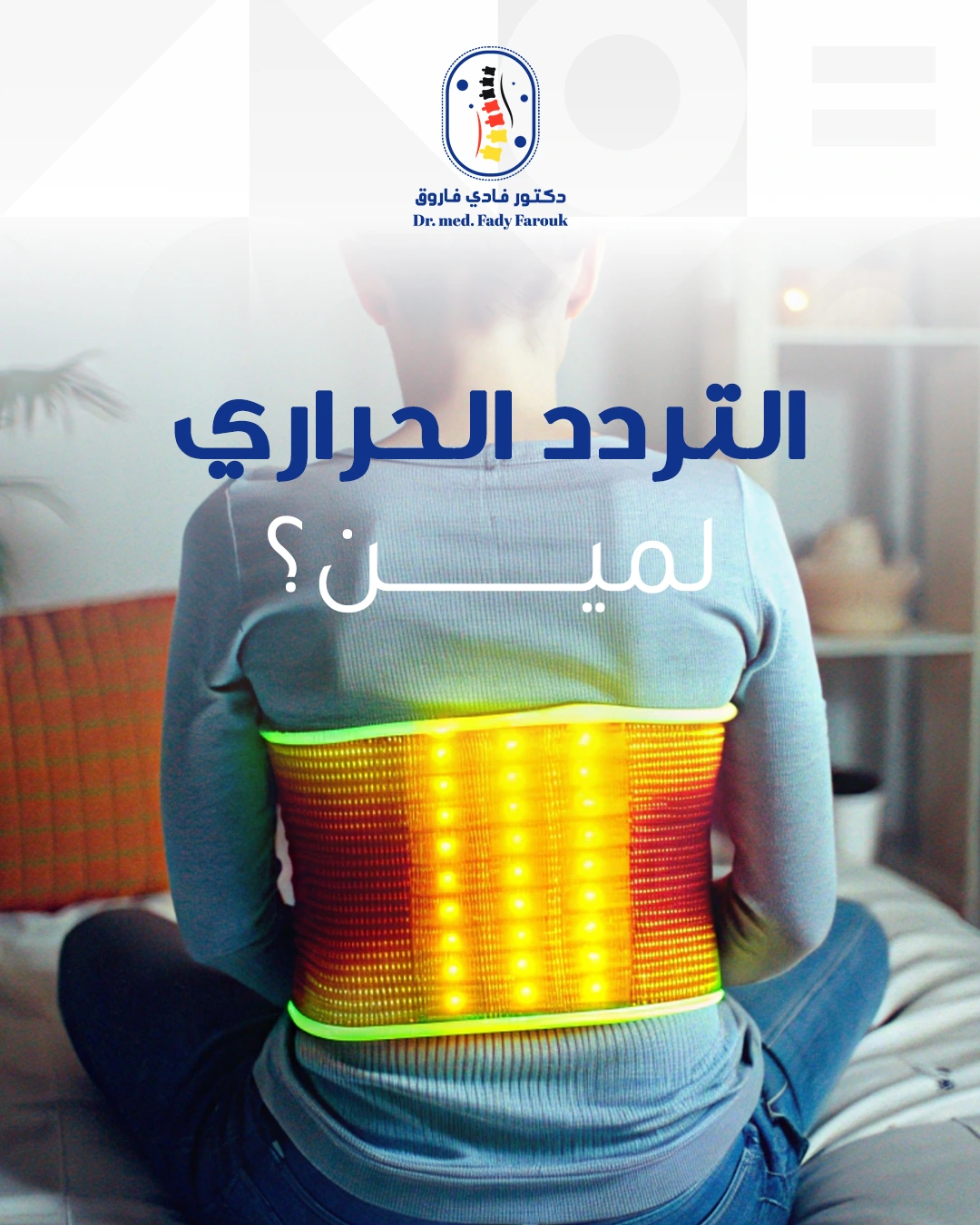

Our approach mapped directly onto the principles above:
- Positioning: a physician branding strategy built around his spine surgery specialty.
- Authority: educational posts about spine health and clear procedure explanations.
- Social proof: patient success stories, shared with consent.
- Thought leadership: his perspective on developments in the field.
The result is a professional personal brand that positions Dr. Fady as an authority in spine surgery, with a social media presence that drives patient referrals and speaking engagements.
See the full project
Strategy, creative, and outcomes from our work with Dr. Fady Farouk.
Common Mistakes
- Copying another influencer’s style instead of finding your own voice.
- Posting only promotional content.
- Being active for a month, then disappearing.
- Inconsistent photos, bios, and messages across platforms.
- Ignoring Arabic content when your audience is primarily Arabic-speaking.
Conclusion
Personal branding is no longer optional for leaders and experts in Saudi Arabia and the GCC. The research is consistent: trust drives decisions, expertise builds trust, and consistency keeps you top of mind. Define your positioning, share real insight, and show up regularly.
Ready to build your personal brand? Contact IcaruZen for a free consultation, or read our guide on choosing a digital marketing agency in Saudi Arabia.
Sources
- Peters, T. (1997). The Brand Called You. Fast Company.
- DataReportal. Digital 2026: Saudi Arabia.
- Edelman & LinkedIn (2024). B2B Thought Leadership Impact Report.
- Edelman (2019). Trust Barometer Special Report: In Brands We Trust?
- Nielsen (2015). Global Trust in Advertising.
- Cialdini, R. Influence: The Psychology of Persuasion.
- Sharp, B. (2010). How Brands Grow. Oxford University Press.